
بِسْمِ اللَّهِ الرَّحْمٰنِ الرَّحِيمِ، وَالصَّلَاةُ وَالسَّلَامُ عَلَى رَسُولِ اللَّهِ صَلَّى اللَّهُ عَلَيْهِ وَسَلَّمَ، وَبَعْد
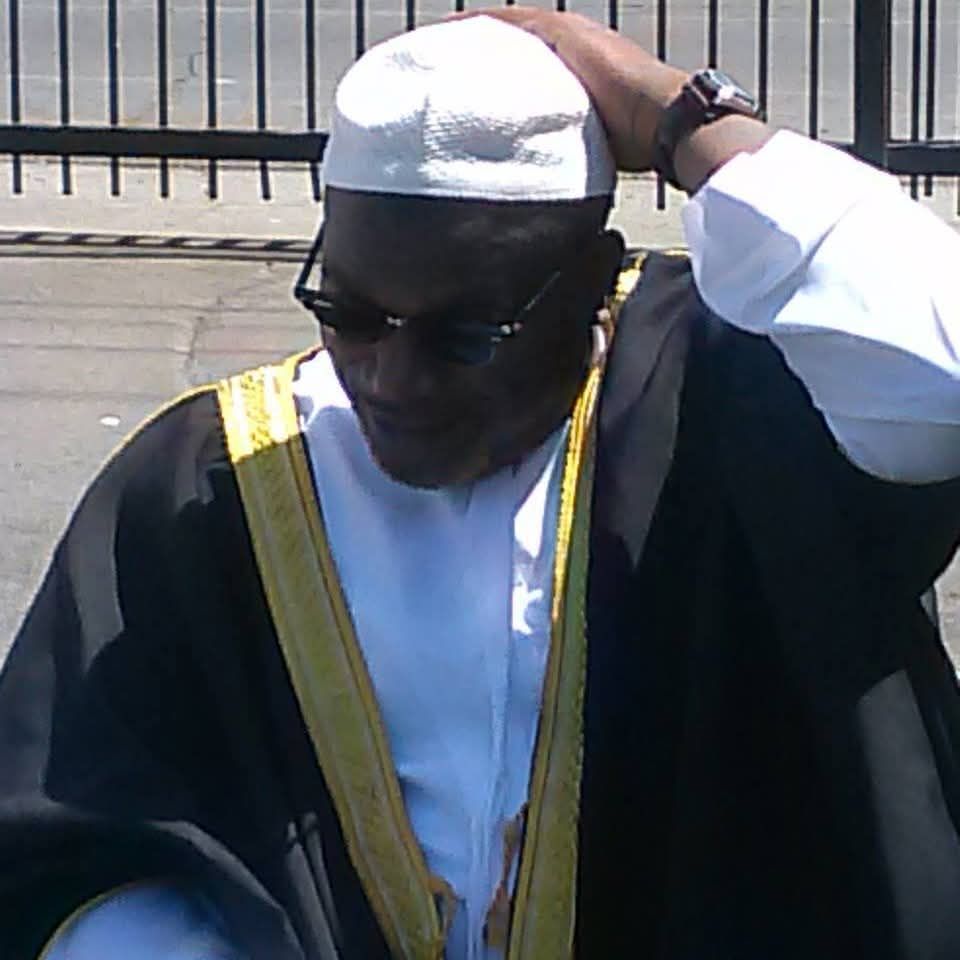
The lived reality of Black American Muslims includes a distinct history, a unique set of social pressures, and a long record of struggle inside and outside the Muslim community. These realities deserve to be named honestly. They shape how we build institutions, how we teach, and how we care for our people. But acknowledging our specific circumstances is not the same as creating a separate Islam for ourselves. Our challenges are real, yet they do not justify a turn toward racial nationalism, exaggerated ethnic pride, or the idea that Black people require a special creed, a special fiqh, or a special door to Paradise. Islam does not divide salvation by race. The Qur’an is explicit: “Verily, the most honored of you in the sight of Allah is the most God‑fearing.” This principle is the anchor that keeps our identity rooted in faith rather than reaction.
It is also true that some Arabs, South Asians, and immigrant‑led institutions have displayed racist attitudes toward Black Muslims. This is a documented and painful reality. But their shortcomings do not give us permission to redefine Islam around our wounds. A Muslim’s dignity does not come from the approval of another ethnic group, nor is it diminished by their prejudice. The Prophet ﷺ taught that “A Muslim is the brother of another Muslim.” That brotherhood is not conditional on culture, lineage, or skin color. It is a divine bond that racism cannot erase, even when individuals fail to live up to it. Our response to racism must be principled, not reactionary—rooted in justice, not resentment.
For this reason, the idea of a “Black fiqh” or a “Black ʿaqīdah” is not only theologically unsound but spiritually dangerous. Fiqh adapts to circumstances, but it does not fragment into racial versions. Context matters, and Black American Muslims absolutely require contextualized scholarship that speaks to our social conditions—mass incarceration, economic inequality, family disruption, and the legacy of anti‑Blackness. But contextualization is not racialization. It is simply applying the universal principles of Islam to the lived reality of a particular people. The Sharīʿah has always done this across cultures and centuries without creating separate religions for each group.
Our task, then, is to confront racism and address our reality without becoming racists ourselves. We have to build institutions that serve our people without imagining that our people are spiritually exceptional above other Muslims. We have to honor our history without turning it into a new creed. Islam can lift the oppressed without creating new hierarchies. It heals wounds without requiring us to build new identities around them. The strength of Black American Muslims will not come from nationalism, glorifying blackness, or disdain for the Arabs, but from believing in Allah and His Prophet (SAWS), learning and practicing Islam, and adherence to its laws. Our faith transcends race while still empowering us to address the realities we face. And Allah knows best.
And Allah knows best. Imam Abu Laith Luqman Ahmad
imamabulaith@yahoo.com


Leave a comment