بِسْمِ اللَّهِ الرَّحْمٰنِ الرَّحِيمِ، وَالصَّلَاةُ وَالسَّلَامُ عَلَى رَسُولِ اللَّهِ صَلَّى اللَّهُ عَلَيْهِ وَسَلَّمَ، وَبَعْد
In every generation, Muslims have faced new challenges that test their understanding of faith. Today, one of those challenges is emerging quietly within parts of the Black American Muslim community: a growing suspicion toward the Arabic language and, by extension, toward the Arab people and scholars who first carried Islam to the world.
It’s a trend that may feel empowering on the surface, especially for people who have endured centuries of racism and erasure. But beneath that surface lies a danger that could weaken our connection to the very foundation of Islam. To understand why, we have to start with a simple truth:
Islam came to the world through the Arabic language.
This is not a cultural preference. It is a historical and spiritual reality.
The Qur’an Was Revealed in Arabic — Not by Accident
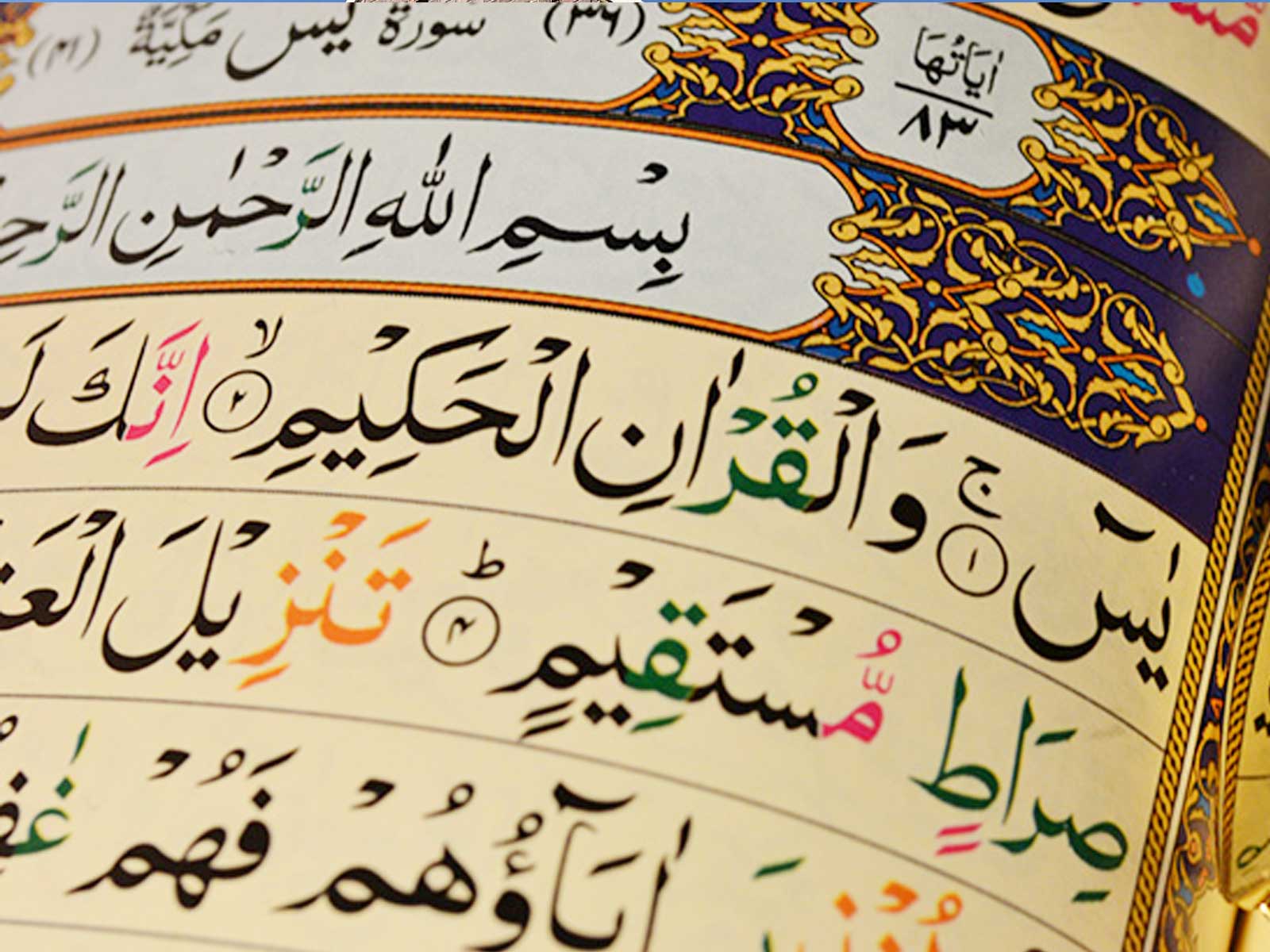
Allah chose Arabic as the vehicle for His final revelation: “Indeed, We have sent it down as an Arabic Qur’an so that you may understand.” Qur’an 12:2
Arabic is not just the language of people. It is the language of the Qur’an itself, the exact words recited by the Prophet ﷺ, memorized by the Companions, and preserved unchanged for more than 1,400 years. This means something important:
You can translate the meaning of the Qur’an into English, but you cannot translate the Qur’an itself. Every English version is an interpretation, a translation of the meaning, someone’s best attempt to explain what the Arabic says. The Qur’an, in its true form, exists only in Arabic. That’s not a limitation. It’s mercy. It means the Qur’an has one fixed, unchanging form that every Muslim on earth can return to, regardless of race, culture, or language.
Hadith, Fiqh, and Tafsir All Begin With Arabic
Even though Islam can be taught in any language — and should be, so people can understand it. the source of Islamic knowledge always begins in Arabic.
- Hadith were spoken in Arabic.
- Fiqh was developed by scholars who analyzed Arabic texts.
- Tafsir is built on the grammar, vocabulary, and structure of Arabic.
- The Prophet’s ﷺ words, prayers, and guidance were all delivered in Arabic.
A person can learn Islam beautifully in English. A teacher can explain Islam clearly in English. A community can practice Islam faithfully in English.
But the origin of the knowledge — the anchor that keeps us from drifting — is Arabic.
Without that anchor, interpretations become unstable.
Opinions become disconnected from the text.
And communities begin to invent their own versions of Islam without realizing it.
So Why Is Arabic Being Rejected by Some?
For some Black American Muslims, rejecting Arabic is a part of rejecting Arab racism. It feels like reclaiming dignity after generations of being looked down on by immigrant communities. That pain is real. The racism is real. The frustration is real. But the result is dangerous. Rejecting Arabic because of the behavior of some Arabs is like rejecting math because you had a bad math teacher. The Arabic language did not oppress anyone. The Qur’an did not enslave anyone. The Prophet ﷺ was not responsible for the racism of modern people. When we throw away Arabic, we are not freeing ourselves from oppression. we are cutting ourselves off from the very revelation that liberated humanity.
The Consequences of Turning Away From Arabic
If this trend continues, several things will happen:
1. We will become dependent on English interpretations
And interpretations can be wrong, biased, or incomplete.
2. We will lose access to the depth of the Qur’an
Arabic carries layers of meaning that no translation can fully capture.
3. We will weaken our connection to the global ummah
Arabic is one of the few things that unites Muslims across continents.
4. We will create an American Islam disconnected from its roots
And once a religion becomes disconnected from its sources, it becomes something else entirely. We’re starting to see that now.
Arabic Is Not an Arab Identity Marker — It’s a Muslim Lifeline
Learning Arabic does not make you Arab. It does not erase your Blackness. It does not diminish your history or your culture. Arabic is simply the key that unlocks the door to the Qur’an and the Sunnah. Black American Muslims have every right to preserve their identity, honor their history, and reject racism from any group, including Arabs. But we cannot afford to reject the language that Allah chose for His final revelation. To do so would not be an act of liberation. It would be an act of self‑harm.
A Better Path Forward
Instead of rejecting Arabic, we can:
- Learn it on our own terms
- Teach it in our own institutions
- Produce our own scholars
- Interpret the texts through our own lived experience
- Build a Black American Muslim intellectual tradition rooted in the Qur’an and Sunnah
This is how communities grow strong, not by cutting themselves off from the source, but by connecting to it with confidence and clarity. That’s why the currrent anti-Arab-anti-Arabic trend the Black American Muslim community needs to be curtailed before it gets out of hand with disastrous consequences for this and future generations.
The Arabic language is a bridge, not a barrier. The Arabic language is not the property of any ethnic group. It belongs to every Muslim who says laa ilaaha Illa Allah. Black American Muslims have contributed enormously to Islam in this country. We have every right to build our own institutions, our own scholarship, and our own voice. But we cannot build a future for our community by severing ourselves from the language of our scripture. Arabic is not a threat. It is a lifeline, one that connects us to Allah, His Messenger ﷺ, and 1,400 years of scholarship. To protect our future, we must protect that connection. And Allah knows best. Imam Luqman Ahmad
imamabulaith@yahoo.com


Leave a Reply