بِسْمِ اللَّهِ الرَّحْمٰنِ الرَّحِيمِ، وَالصَّلَاةُ وَالسَّلَامُ عَلَى رَسُولِ اللَّهِ صَلَّى اللَّهُ عَلَيْهِ وَسَلَّمَ، وَبَعْد
When we talk about the rise of Salafism among Black American Muslims, we must start from a place of honesty and compassion. These brothers and sisters come from our neighborhoods, our families, and our social conditions. They are not outsiders; they are us. And to understand the appeal of Salafism, we have to understand what it offers to people who have been denied dignity, status, and belonging their whole lives.
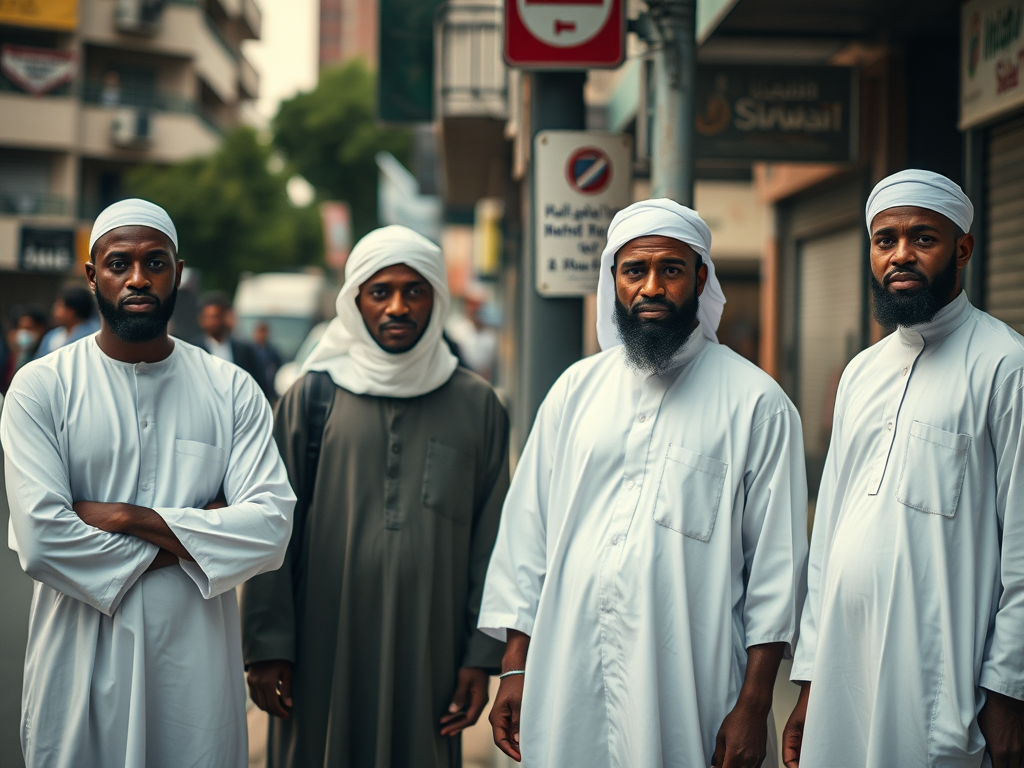
For many young men coming straight from the streets, from poverty, from prison, Salafism presents something powerful: instant identity and instant elevation. You can walk into the masjid with no Islamic education, no money, no social standing, and by simply adopting the label “Salafi,” you are told that you now belong to the most guided group of Muslims on earth. You are taught that your group is saved, and every other Muslim is suspect. You don’t need to have learned how to pray properly, or fasted a Ramadan, or raised a family, or served your community. The identity itself becomes the badge of superiority. For someone who has never been valued, never been respected, never been seen, that is a heavy psychological reward. And that message is repeated in certain mosques, in lectures, and at conferences. It’s not hard to see why it resonates so deeply with people who have been denied dignity everywhere else.
What made this mindset even more powerful is that, for decades, it was reinforced by voices coming from the holiest cities in Islam , Mecca and Madinah. Scholars from those lands were presented to Black American converts as the highest authorities in the Muslim world. Their books, tapes, videos, and fatwas poured into our communities, shaping the religious imagination of young Black men who had never been affirmed by any institution. These shaykhs told them that they, the new Salafis of America, were the best Muslims of this age, following the best Muslims of the past. They were told that carrying the label “Salafi” was not just allowed, but obligatory, a sign that they were among the saved and chosen, and different from all other Muslims on Earth. For young men who grew up with no affirmation, no honor, no sense of worth, this message hit with tremendous force. It offered instant status, instant belonging, and instant superiority all without the long, humbling work of spiritual growth, community service, or moral development.
This is not about attacking individuals. It’s about understanding the psychological, social, and historical forces that shaped a movement in our communities. When you understand the conditions, people come from; you understand why certain messages take root, and why they are so hard to let go of.
-Imam Luqman Ahmad
Shaykh Luqman Ahmad, born and raised in Philadelphia Pa, and son of American converts to Islam, is an American Muslim scholar, educator, and community leader with more than four decades of service. A graduate of the Islamic University of Omdurman, with time spent at Umm al-Qura University, and in classes at the Haram in Mecca. Imam was first introduced to Islamic learning by his parents, he studied with numerous scholars, most notably the late “Sayyid Sabiq”, author of the book “Fiqh as-Sunnah”. For a list of his teachers, consult his blog at imamluqman.wordpress,com. He served as the Imam of Masjid Ibrahim Islamic Center in California for 20 years, guiding one of the region’s most diverse Muslim communities with a blend of classical Sunni scholarship and deep awareness of American social realities. Over the course of his career, he has also served as an Imam and or resident scholar at several masaajid across the country, including in Philadelphia, Toledo, Sacramento, and Folsom, California.
He is the author of several books, most notably The Devil’s Deception of the Modern-Day Salafi Sect, a widely discussed critique of contemporary Salafism, and Double Edged Slavery, an original work examining the mentality, history, and lived experience of Black Sunni Muslims in America. His writings, lectures, and community work continue to influence conversations on Islamic law, identity, leadership, and the future of American Muslim communities. Currently, he writes, conducts research, and serves as a guest khateeb at the Quba Institute in Philadelphia. He can be reached at: imamabulaith@yahoo.com
 Imam Luqman Ahmad Mosque Without Borders
Leave a comment