بِسْمِ اللَّهِ الرَّحْمٰنِ الرَّحِيمِ، وَالصَّلَاةُ وَالسَّلَامُ عَلَى رَسُولِ اللَّهِ صَلَّى اللَّهُ عَلَيْهِ وَسَلَّمَ، وَبَعْد
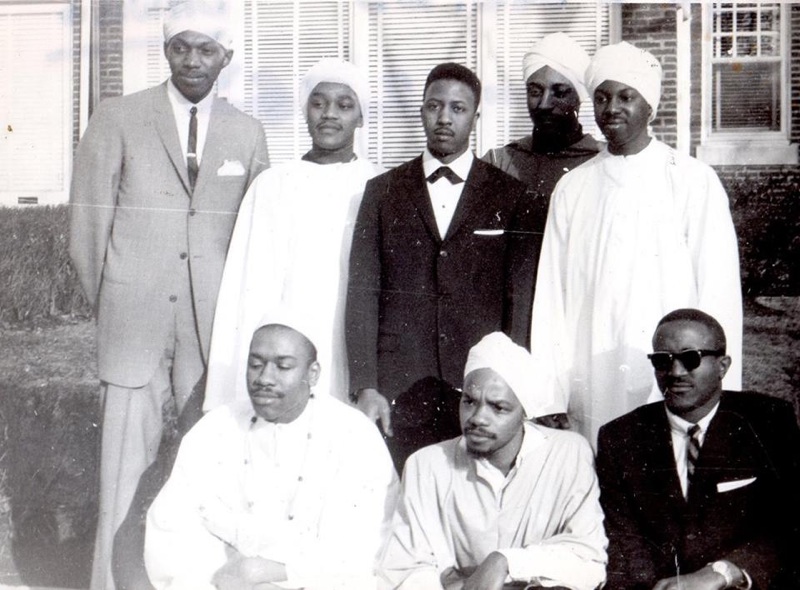
When we document the story of a masjid or a community, we are doing far more than preserving dates and names. We are capturing decisions, their consequences, the moments of unity, and the fractures of discord. We record what worked—and just as critically, what failed.
Why? Because learning is incremental. No community rises on a single perfect moment. It climbs through small, honest steps: a successful fundraiser, a strained board meeting, a youth program that thrived, a conflict that could have been avoided. Each of these is a brick. Without recording them, each generation starts from zero, repeating the same mistakes, rediscovering the same solutions, exhausting itself on déjà vu.
And if there is no learning from experience, there is no building. You can pour concrete, raise minarets, expand parking lots—but without the wisdom of experience, those structures rest on a hollow base. A masjid that doesn’t learn from its past will fracture under the same tensions again. A community that doesn’t study its failures will mistake activity for progress. Something we regretted seeing all the time.
But when we do record and reflect, building becomes intentional. We stop reinventing the wheel and start refining it. We honor our successes by repeating their conditions, and we honor our failures by refusing to repeat their mistakes. Incrementally, one lesson, one adjustment, one generation at a time, we rise.
Another thing we must do is actively make use of our elders—those who have been practicing the religion for decades, sometimes half a century or more. These are not just elderly people; they are living archives of wisdom, patience, and lived experience. They have walked the path when it was harder, when fewer resources existed, and when being Muslim often meant real sacrifice. Their knowledge isn’t just academic; it’s been tested in the crucible of real life.
What’s truly sad is to see new Muslims coming into the faith, full of enthusiasm but disconnected from this living heritage. Instead of sitting with someone who has memorized the Qur’an before the internet or who navigated fiqh questions in a time without YouTube fatwas, many turn to online forums or heated debates over matters that scholars settled decades ago. The elders could simply say, “We already dealt with this. Here’s what was concluded, and here’s why.” That saves generations from reinventing the wheel—or worse, going down dead ends.
You can glean so much history from people who actually lived that history. They remember when a certain masjid was founded, when a certain ruling became necessary, when a certain controversy erupted, and how it was resolved—or wasn’t. They remember the personalities, the context, the emotional weight behind decisions that now seem like dry text. This is tazkiyah (purification) and fiqh and adab all wrapped into one living teacher.
A community that sidelines its elders is a community that loses its memory. And a community without memory keeps making the same mistakes, having the same arguments, and losing the same opportunities for growth. We need formal and informal ways to connect new Muslims—especially young converts and seekers—with seasoned practitioners. Mentorship circles, oral history projects, elder-led halaqas, and even just shared meals where stories are told. Not out of nostalgia, but out of strategic wisdom.
In short: know your history, and honor your elders not just with words, but with a seat at the table. Let them speak before we argue. Let them teach before we assume we know. In Islam, white hair is not a sign of decline—it’s a sign of a journey we haven’t yet begun. Recording history is not nostalgia. It is architecture for the community’s soul. It is how we ensure that tomorrow’s masjid stands stronger, wiser, and more united than yesterday’s—not by chance, but by choice. And Allah knows best. Imam Abu Laith Luqman Ahmad
Shaykh Luqman Ahmad, born and raised in Philadelphia Pa, and son of American converts to Islam, is an American Muslim thinker, scholar, writer, educator, and community leader with more than four decades of service. A graduate of the Islamic University of Omdurman, with time spent at Umm al-Qura University, and in classes at the Haram in Mecca. Imam was first introduced to Islamic learning by his parents. He studied with numerous scholars, most notably the late “Sayyid Sabiq”, author of the book “Fiqh as-Sunnah”. For a list of his teachers, consult his blog at imamluqman.wordpress.com. He served as the Imam of Masjid Ibrahim Islamic Center in California for 20 years, guiding one of the region’s most diverse Muslim communities with a blend of classical Sunni scholarship and deep awareness of American social realities. Over the course of his career, he has also served as an Imam and or resident scholar at several masaajid across the country, including in Philadelphia, Toledo, Sacramento, and Folsom, California.
He is the author of several books, most notably The Devil’s Deception of the Modern-Day Salafi Sect, a widely discussed critique of contemporary Salafism, and Double Edged Slavery, an original work examining the mentality, history, and lived experience of Black Sunni Muslims in America. His writings, lectures, and community work continue to influence conversations on Islamic law, identity, leadership, and the future of American Muslim communities. Currently, he writes, conducts research, and serves as a guest khateeb at the Quba Institute in Philadelphia. He can be reached at: imamabulaith@yahoo.com


Leave a Reply