
بِسْمِ اللَّهِ الرَّحْمٰنِ الرَّحِيمِ، وَالصَّلَاةُ وَالسَّلَامُ عَلَى رَسُولِ اللَّهِ صَلَّى اللَّهُ عَلَيْهِ وَسَلَّمَ، وَبَعْد
One thing that is certain. There exists Black Muslim America, a critical gap between the spiritual aspirations of our community and the legal mechanisms used to govern and manage our most important and intimate institutions, marriage and divorce. For decades, a familiar refrain has echoed through the hallways of American Masajid: a lamentation of the “unfairness” of the US court system. We complain that secular judges are out of touch with Islamic values, that divorce settlements ignore the moral imperatives of our faith, and that custody battles often result in the spiritual alienation of our children.
But let us be honest with ourselves: The US court system is not failing the Muslim community. We are failing to provide an alternative.
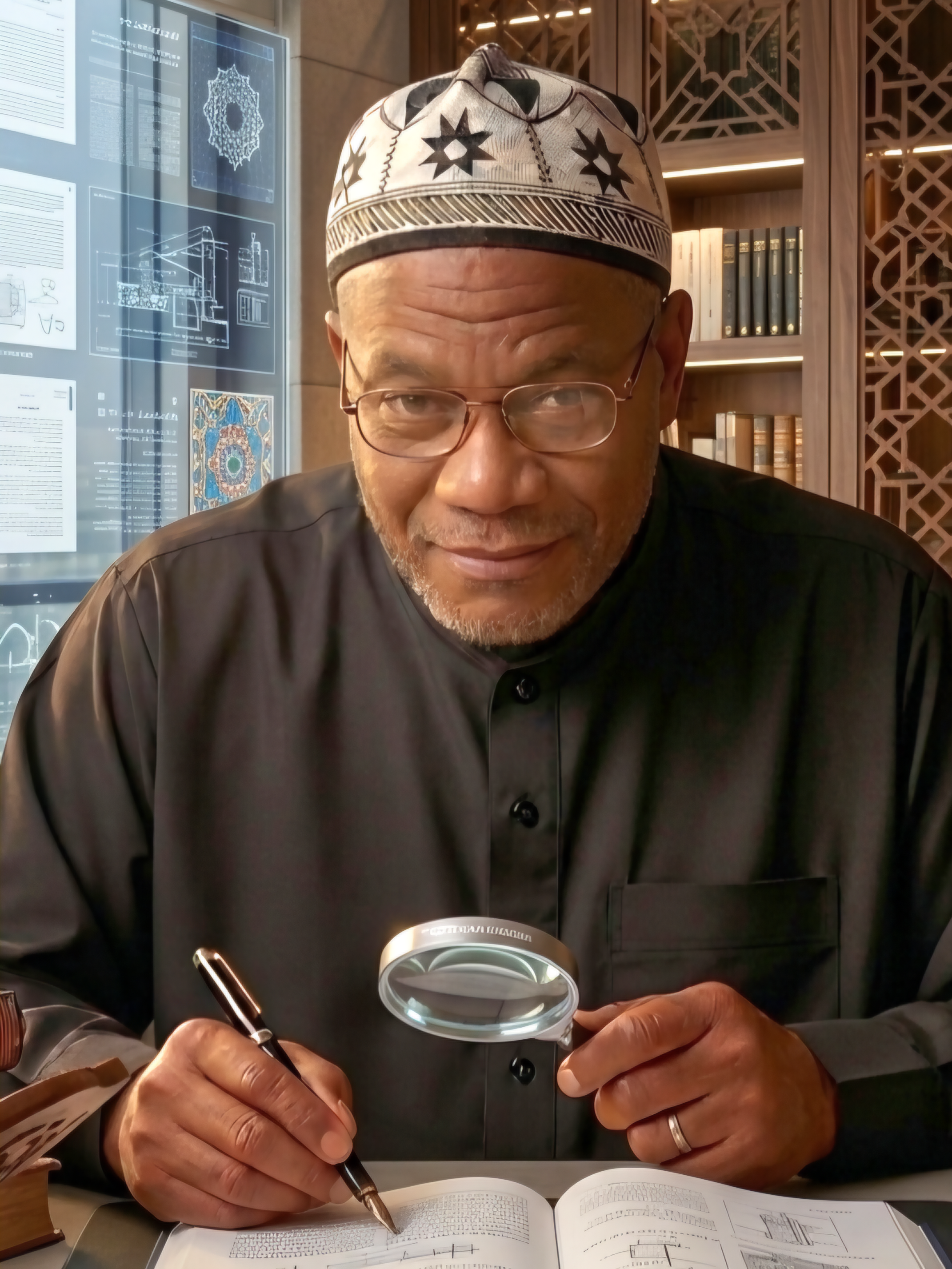
It is both unrealistic and entitlement-driven to expect a secular judiciary to prioritize the preservation of an Islamic identity or the nuances of Shari’ah -compliant mediation. The American court is a machine of civil law; it is not, and never will be, a guardian of the Ummah . If we want justice that reflects our values, we must build the infrastructure to deliver it ourselves.
The Casualties of Our Inaction
The statistics within the Black American Muslim community are particularly sobering. While anecdotal, the suggestion that 70–80% of marriages end in divorce points to a systemic collapse. However, the most tragic “casualties of war” are not the husband or the wife; they are the children. Our children.
In the heat of a secular legal battle, or even a regular divorce outside the courts, the “dream” of a Muslim family often evaporates into thin air. We enter marriage talking about Jannah, harmony, pleasing Allah, and raising the next generation of believers. Yet, when the union breaks, or fractures, the focus shifts from “pleasing Allah” to “winning the case, or the argument”
The result?
Spiritual Stagnation: Islamic learning stops when the family unit dissolves. This happens almost always.
Masjid Alienation: Children lose their connection to the community during the tug-of-war of custody.
Cultural Erosion: The rituals and practices of faith; the Eids, the prayers, the communal bonds, the Islamic learning, become “optional” or disappear entirely. We’ve seen this time and time again.
Moving Beyond Blame and Lamentation
We can no longer afford to act like children, blaming a system that was never designed for us. We have the intellectual, spiritual, and legal capacity to establish our own systems of marriage, divorce, mediation, and conflict resolution.
This is not a call for “underground” courts, but for sophisticated, binding arbitration and mediation systems based on Islamic rules that carry legal weight under US law. Through the use of comprehensive pre-marital contracts ( Nikah agreements) and legally recognized arbitration clauses, Muslims can ensure that their disputes are settled by those who understand the weight of the soul, not just the weight of the dollar.
A Call for Collective Mature Action
This transformation will not happen overnight. It requires a radical shift in the mindset of our leadership. Our Imams, community leaders, and personalities must move past “territorial” masjid politics and work toward a unified governance structure that spans across the community.
We need:
1. Standardized Mediation Boards: Professionalized bodies trained in both Islamic jurisprudence and modern psychological mediation.
2. Enforceable Marital Contracts: Agreements that mandate Islamic arbitration before any civil court filing.
3. Community-Wide Accountability: A system where the welfare of the child’s Muslim identity is a non-negotiable priority in every settlement.
The Verdict
The survival of the Muslim family in America, particularly in the Black American experience, depends on our ability to govern ourselves. We must rise to the responsibility of our Ummah . If we continue to outsource our most sacred disputes to a secular system, we shouldn’t be surprised when the results are secular.
It is time to stop complaining about the courts and start building the Covenant. The conversation starts now. Right now. Imam Luqman Ahmad
Shaykh Luqman Ahmad, born and raised in Philadelphia Pa, and son of American converts to Islam, is an American Muslim thinker, scholar, writer, educator, and community leader with more than four decades of service. A graduate of the Islamic University of Omdurman, with time spent at Umm al-Qura University, and in classes at the Haram in Mecca. Imam was first introduced to Islamic learning by his parents. He studied with numerous scholars, most notably the late “Sayyid Sabiq”, author of the book “Fiqh as-Sunnah”. For a list of his teachers, consult his blog at imamluqman.wordpress.com. He served as the Imam of Masjid Ibrahim Islamic Center in California for 20 years, guiding one of the region’s most diverse Muslim communities with a blend of classical Sunni scholarship and deep awareness of American social realities. Over the course of his career, he has also served as an Imam and or resident scholar at several masaajid across the country, including in Philadelphia, Toledo, Sacramento, and Folsom, California.
He is the author of several books, most notably The Devil’s Deception of the Modern-Day Salafi Sect, a widely discussed critique of contemporary Salafism, and Double Edged Slavery, an original work examining the mentality, history, and lived experience of Black Sunni Muslims in America. His writings, lectures, and community work continue to influence conversations on Islamic law, identity, leadership, and the future of American Muslim communities. Currently, he writes, conducts research, and serves as a guest khateeb at the Quba Institute in Philadelphia. He can be reached at: imamabulaith@yahoo.com
 Imam Luqman Ahmad Mosque Without Borders
Leave a comment