
بِسْمِ اللَّهِ الرَّحْمٰنِ الرَّحِيمِ، وَالصَّلَاةُ وَالسَّلَامُ عَلَى رَسُولِ اللَّهِ صَلَّى اللَّهُ عَلَيْهِ وَسَلَّمَ، وَبَعْد
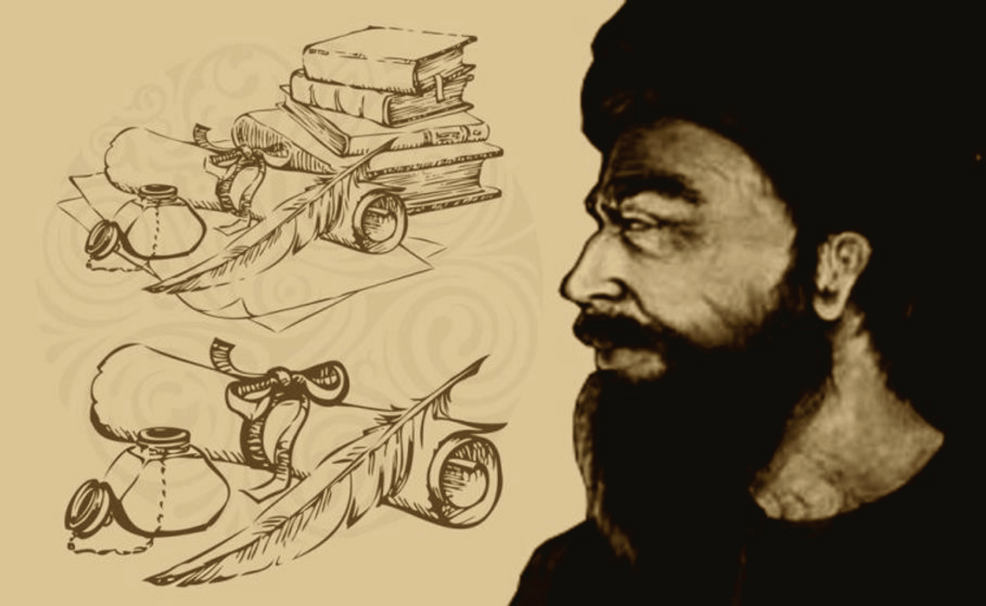
Long before psychology emerged as a formal scientific discipline in the modern West, Muslim scholars were already charting the inner landscape of the human being with remarkable precision. Their writings explored cognition, emotion, behavior, trauma, resilience, and the spiritual dimensions of the self. What we now call psychology was once known in the Islamic tradition as ʿilm al‑nafs — the science of the soul — and it was treated as an essential component of understanding human flourishing.
One of the earliest figures in this intellectual lineage was al‑Kindi (c. 801–873 CE), often regarded as the first Muslim philosopher. His treatise On the Device for Dispelling Sorrows offers a sophisticated analysis of emotional suffering and the power of disciplined thought. Al‑Kindi argued that sorrow arises from false judgments and misplaced attachments, and he proposed cognitive strategies to reframe negative thoughts — methods that resemble modern cognitive‑behavioral therapy. For him, emotional pain was not an inescapable fate but a condition that could be understood and transformed through reason.
A century later, Abu Zayd al‑Balkhī (849–934 CE) advanced the field even further. His groundbreaking work Maṣāliḥ al‑Abdān wa al‑Anfus (“Sustenance for Body and Soul”) is considered one of the earliest manuals of psychosomatic medicine. Al‑Balkhī distinguished between emotional, cognitive, and physical disorders, and he proposed therapeutic strategies for anxiety, depression, fear, and anger. He recognized that the body and soul are intertwined, and that healing requires addressing both. Modern scholars often describe him as a pioneer of clinical psychology.
The spiritual‑ethical tradition of Islam also produced profound psychological insight. Imām al‑Ghazālī (1058–1111 CE), one of the most influential thinkers in Islamic history, devoted large portions of his Iḥyā’ ʿUlūm al‑Dīn to analyzing human motivation, habit formation, moral development, and the unconscious impulses of the nafs. He described the heart as the center of cognition and emotion, and he offered practical methods for treating spiritual and behavioral diseases. His work remains a cornerstone of Islamic spiritual psychology.
Building on this tradition, Ibn al‑Qayyim (1292–1350 CE) produced a rich body of writing on emotional resilience, trauma, grief, and the relationship between thoughts and behavior. His reflections on how internal narratives shape emotional states anticipate many principles of modern therapeutic practice. For Ibn al‑Qayyim, healing was not merely spiritual; it was cognitive, behavioral, and relational, rooted in a deep understanding of the human heart.
Other scholars contributed in equally significant ways. Al‑Rāghib al‑Aṣfahānī (d. c. 1108 CE) analyzed desire, self‑regulation, and the architecture of the human psyche, offering one of the earliest systematic treatments of the nafs, qalb, and ʿaql. His work remains foundational for understanding Qur’anic anthropology and moral psychology.
In the medical tradition, Ibn Sīnā (Avicenna) (980–1037 CE) described mental disorders, hallucinations, melancholia, and psychosomatic illness in his monumental Canon of Medicine. He recommended treatments that included talk therapy, behavioral modification, and environmental adjustment. His influence on both Islamic and European medical psychology endured for centuries.
Finally, Ibn Khaldūn (1332–1406 CE), best known as the father of sociology, made major contributions to what we now call social psychology. In his Muqaddimah, he analyzed group dynamics, personality formation, and the influence of environment and culture on human behavior. His concept of ʿasabiyyah — social cohesion — remains one of the most insightful theories of collective psychology ever articulated.
What united these scholars was a holistic vision of the human being. They saw the mind, body, and soul as interconnected dimensions of a single reality. They recognized that emotional suffering has causes, that thoughts shape behavior, that communities influence individuals, and that healing requires attention to the spiritual as well as the psychological. Their work was grounded in a worldview of tawḥīd — the belief that human nature is purposeful, coherent, and oriented toward the Divine.
Today, as psychology continues to expand and diversify, there is renewed interest in these early Muslim contributions. They remind us that the study of the human mind is not new, nor is it culturally isolated. It is a universal pursuit, and the Islamic tradition has offered some of its most insightful and enduring contributions. And Allah knows best. Imam Abu Laith Luqman Ahmad
Shaykh Luqman Ahmad, born and raised in Philadelphia Pa, and son of American converts to Islam, is an American Muslim thinker, scholar, writer, educator, and community leader with more than four decades of service. A graduate of the Islamic University of Omdurman, with time spent at Umm al-Qura University, and in classes at the Haram in Mecca. Imam was first introduced to Islamic learning by his parents. He studied with numerous scholars, most notably the late “Sayyid Sabiq”, author of the book “Fiqh as-Sunnah”. For a list of his teachers, consult his blog at imamluqman.wordpress.com. He served as the Imam of Masjid Ibrahim Islamic Center in California for 20 years, guiding one of the region’s most diverse Muslim communities with a blend of classical Sunni scholarship and deep awareness of American social realities. Over the course of his career, he has also served as an Imam and or resident scholar at several masaajid across the country, including in Philadelphia, Toledo, Sacramento, and Folsom, California.
He is the author of several books, most notably The Devil’s Deception of the Modern-Day Salafi Sect, a widely discussed critique of contemporary Salafism, and Double Edged Slavery, an original work examining the mentality, history, and lived experience of Black Sunni Muslims in America. His writings, lectures, and community work continue to influence conversations on Islamic law, identity, leadership, and the future of American Muslim communities. Currently, he writes, conducts research, and serves as a guest khateeb at the Quba Institute in Philadelphia. He can be reached at: imamabulaith@yahoo.com


Leave a Reply