
اللَّهِ الرَّحْمٰنِ الرَّحِيمِ، وَالصَّلَاةُ وَالسَّلَامُ عَلَى رَسُولِ اللَّهِ
There are moments in the Islamic calendar that Allah subḥānahū wa ta’ālā singles out and elevates above all others — and among the most magnificent of these is the opening of Dhul Hijjah. The Prophet ﷺ declared that there are no days on which righteous deeds are more beloved to Allah than these ten days, and Allah Himself swears by them in Sūrat al-Fajr, saying: “By the dawn, and by the ten nights.” When the Lord of all creation takes an oath by something, the believer stops, listens, and takes heed. These days are not ordinary. They are a divine gift, and the one who seizes them with sincerity will find their reward with Allah beyond what they can calculate.
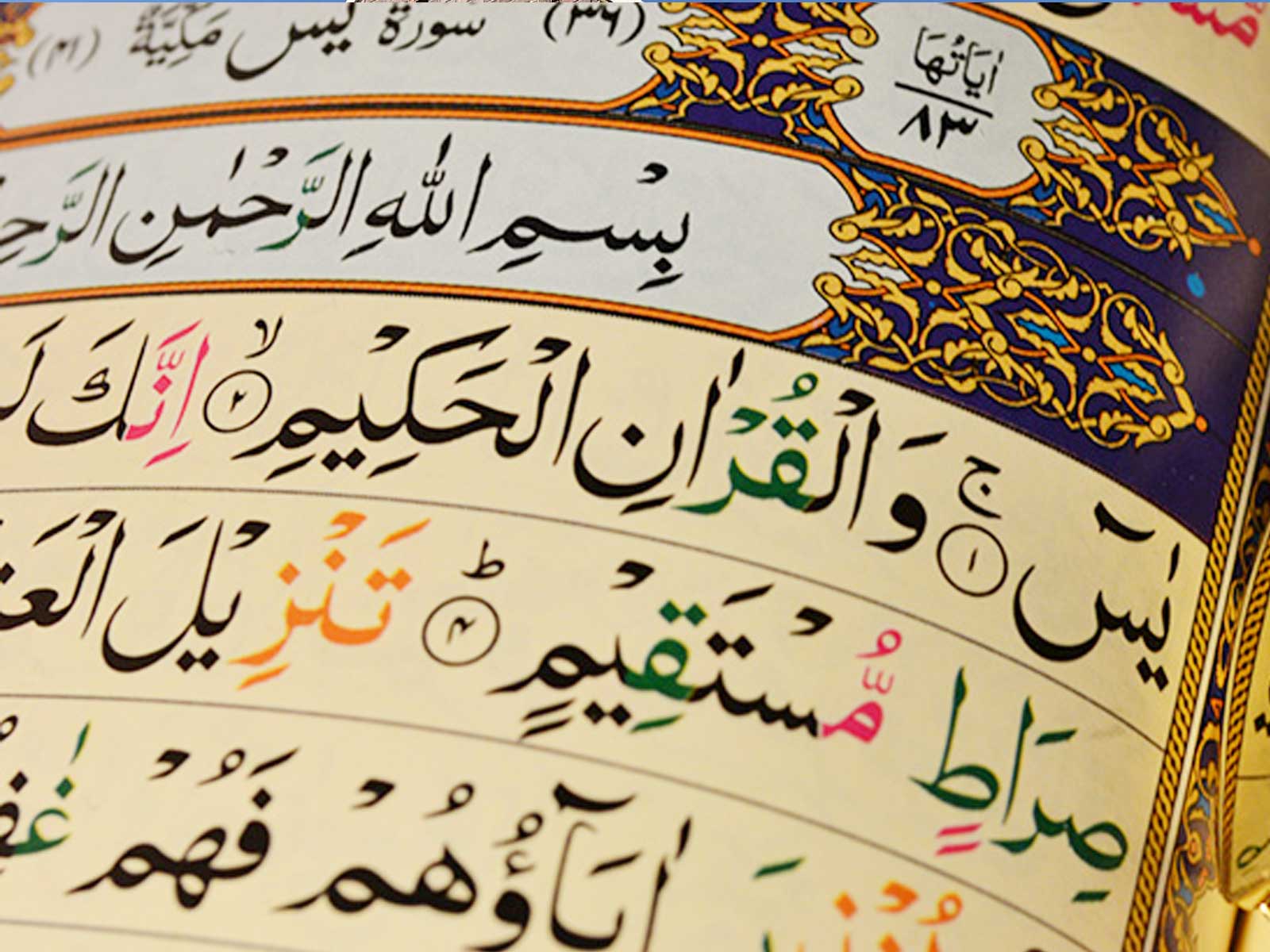
So what should a Muslim do during these precious days?
Begin with the Tongue — Fill It with Dhikr
The Prophet ﷺ commanded the believers to increase in these days the tahlīl (Lā ilāha illallāh), the takbīr (Allāhu Akbar), and the taḥmīd (Alhamdulillāh). This is not an instruction reserved for those with free time or those sitting in the masjid. It is a command for every moment — while walking to the car, while preparing a meal, while sitting at a desk. The tongue is the easiest of the limbs to move, yet the weight of its remembrance on the scale of deeds is immense. Let the takbīr be heard in your home, your car, your workplace. The Companions used to say it openly in the markets. We should not be shy to revive this forgotten Sunnah.
Fast — Especially the Day of ‘Arafah
Among the most powerful acts of worship in these ten days is fasting. The Prophet ﷺ himself used to fast the first nine days of Dhul Hijjah, and he described the fast of the ninth day — the Day of ‘Arafah — in terms that should make every Muslim eager to seize it. He ﷺ said that fasting on the Day of ‘Arafah expiates the sins of the previous year and the coming year. Two years of sins, wiped away by a single day of hunger and thirst for the sake of Allah. For those who find fasting all nine days difficult, at the very minimum, let the ninth not pass without a fast.
Return to the Qur’an with Renewed Commitment
These days are an invitation to deepen one’s relationship with the Book of Allah. Every letter carries ten rewards in ordinary times — in these elevated days, the multiplication of reward is even greater. Set a daily portion and guard it. Read with reflection. Read the story of Ibrāhīm and Ismā’īl alayhimas-salām, whose legacy of sacrifice and submission these days are built upon. Let the Qur’an be your companion throughout these ten days, not a book you visit only when it is convenient.
Guard and Perfect Your Prayers
The five daily prayers are the pillars upon which everything else rests. In these blessed days, a Muslim should give particular attention not merely to performing the prayers, but to performing them well — on time, with presence of heart, with the body stilled and the mind focused. Beyond the obligatory, add voluntary prayers where you are able. The pre-dawn Tahajjud, even if it is only two rak’ahs, carries a weight that daylight hours cannot replicate. The Duha prayer in the mid-morning is a gift of gratitude for the simple blessing of waking up. These days are the time to re-establish habits of worship that can carry you through the rest of the year.
Give, and Give Generously
Sadaqah in these days is among the most beloved deeds to Allah. Give financially to those in need. Feed a neighbor. Sponsor a Qurbani for a family who cannot afford one. Donate to your local masjid, to Islamic schools, to relief efforts for the suffering members of the Ummah around the world. And do not restrict your understanding of charity to money alone — a word of genuine kindness, helping someone carry a burden, removing a harm from the road, visiting the sick — all of these are sadaqah. These days invite the believer to open their hands and their heart simultaneously.
Make Tawbah — Return to Allah Completely
If these ten days accomplish nothing else in a person’s life, let them accomplish this: a sincere, wholehearted return to Allah. Tawbah is not merely saying the words of repentance. It is acknowledging the wrong, feeling genuine remorse in the heart, firmly resolving not to return to it, and following that resolve with deeds of righteousness. Allah loves those who constantly repent, and He has promised to accept the repentance of those who come to Him sincerely. These days are a divine invitation — do not let pride or complacency cause you to decline it.
Mend What Is Broken — Silat al-Raḥim
Among the acts of worship that are often neglected in favor of the more visible ones is the maintenance of family ties. The Prophet ﷺ warned severely and repeatedly against severing the bonds of kinship. These ten days are an opportunity to call the relative you have not spoken to, to visit the elder who feels forgotten, to extend a hand of forgiveness to the family member whose words once caused pain. The believer who repairs a broken relationship in these blessed days earns a reward they may not fully comprehend until they stand before Allah.
Seek Knowledge and Reflect Deeply
These days have a story — the story of Ibrāhīm alayhis-salām, who was commanded to leave his wife and infant son in a barren valley, who was then tested with the command to slaughter his own child, and who passed both trials with a completeness of submission that earned him the title Khalīlullāh — the intimate friend of Allah. Study this story. Sit with it. Ask yourself what it demands of you. Attend a lecture, read a work of tafsir, listen to a scholar explain the fiqh and the spirit of these days. Knowledge that moves the heart toward Allah is itself an act of worship.
Make Du’ā — Pour Out Your Heart
The first ten days of Dhul Hijjah are among the most powerful times for supplication. Do not let them pass without asking Allah for everything — your deen, your dunya, your family, your health, your provision, your death, and what comes after it. Ask for the Ummah. Ask for those in Gaza, in Sudan, in every corner of the earth where your brothers and sisters wake up to suffering. Ask for the Hujjāj — the millions of pilgrims who are standing at the House of Allah, making tawaf, climbing toward ‘Arafah. On the Day of ‘Arafah especially, when those pilgrims stand in the plains and make du’ā, join them in spirit from wherever you are.
Prepare for and Offer the Udhiyah
For those who are able, the Qurbani — the sacrificial offering on Eid al-Adha — is among the most significant acts of worship connected to these days. The Prophet ﷺ instructed that the one who intends to offer a sacrifice should not cut their hair or nails from the beginning of Dhul Hijjah until the sacrifice has been made. This mirrors, in a small but meaningful way, the state of the pilgrim in iḥrām, connecting every Muslim to the spiritual reality of Hajj even from a distance. The sacrifice is not merely a ritual — it is a reenactment of submission, a physical declaration that what we have belongs to Allah and can be returned to Him.
A Final Word
Ibn Rajab al-Ḥanbalī, one of the great scholars of Islamic spirituality, wrote that the first ten days of Dhul Hijjah are the best days of the year, just as the last ten nights of Ramadan are the best nights of the year. Together, they form the twin peaks of the Islamic year — opportunities for transformation that Allah, in His infinite mercy, has placed before us repeatedly throughout our lives.
But they do not return once they pass. Each day that closes without worship is a day that cannot be reclaimed. The believer who enters these ten days with intention, consistency, and a heart that is genuinely turned toward Allah will find — by the permission of Allah — that they emerge from them changed. Lighter. Closer. More certain of where they are going.
May Allah allow us to reach these days, to fill them with what pleases Him, and to accept from us our deeds, our fasting, our charity, our prayers, and our repentance.
Allāhu Akbar, Allāhu Akbar, Lā ilāha illallāh, Allāhu Akbar, Allāhu Akbar, wa lillāhil ḥamd. Āmeen.
Shaykh Luqman Ahmad, born and raised in Philadelphia Pa, and son of American converts to Islam, is an American Muslim thinker, scholar, writer, educator, and community leader with more than four decades of service. A graduate of the Islamic University of Omdurman, with time spent at Umm al-Qura University, and in classes at the Haram in Mecca. Imam was first introduced to Islamic learning by his parents. He studied with numerous scholars, most notably the late “Sayyid Sabiq”, author of the book “Fiqh as-Sunnah”. For a list of his teachers, consult his blog at imamluqman.wordpress.com. He served as the Imam of Masjid Ibrahim Islamic Center in California for 20 years, guiding one of the region’s most diverse Muslim communities with a blend of classical Sunni scholarship and deep awareness of American social realities. Over the course of his career, he has also served as an Imam and or resident scholar at several masaajid across the country, including in Philadelphia, Toledo, Sacramento, and Folsom, California.
He is the author of several books, most notably The Devil’s Deception of the Modern-Day Salafi Sect, a widely discussed critique of contemporary Salafism, and Double Edged Slavery, an original work examining the mentality, history, and lived experience of Black Sunni Muslims in America. His writings, lectures, and community work continue to influence conversations on Islamic law, identity, leadership, and the future of American Muslim communities. Currently, he writes, conducts research, and serves as a guest khateeb at the Quba Institute in Philadelphia. He can be reached at: imamabulaith@yahoo.com


Leave a Reply