
Al-Aqeedah Al-Wasitiyya (The Wasiti Creed) is widely considered one of the most authoritative and concise foundational texts on Islamic theology (Aqeedah) within the Sunni tradition. Authored by the renowned polymath and scholar Shaykh al-Islam Ahmad ibn Taymiyyah (1263–1328 CE), the work serves as a primary reference for those seeking to understand the beliefs of Ahl al-Sunnah wal-Jama’ah .
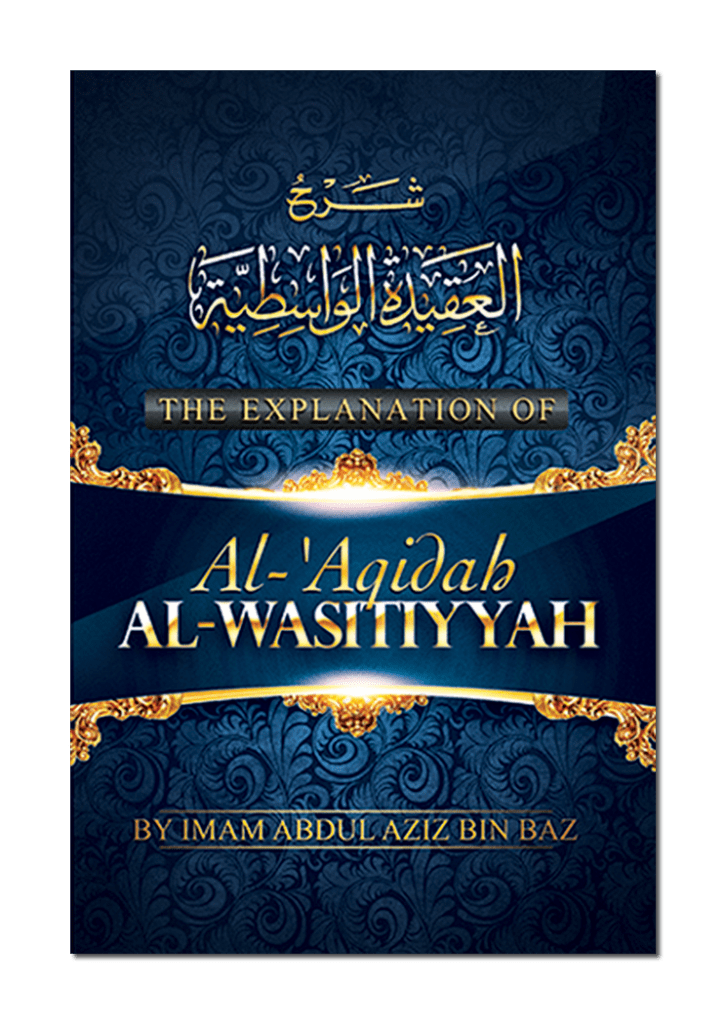
Historical Context andPurpose
The treatise was written in the year 1297 CE at the request of a Shafi’I judge, Radiy al-Din al-Wasiti, who hailed from the city of Wasit in present-day Iraq. At the time, the region was suffering from political instability, sectarian strife, and widespread confusion regarding religious doctrine. The judge requested a summary of core beliefs that he and his household could rely upon. Ibn Taymiyyah reportedly wrote the text in a single afternoon, yet it has since become a standard academic and spiritual reference. Another report is that he gave a speech about aqeeda after Asr, and a listener wrote it all down.
Despite its brevity, the book covers a broad spectrum of fundamental beliefs, emphasizing the necessity of adhering strictly to the Qur’an, the Sunnah, and the methodology of the Salaf (the early generations of Muslims). Key topics include:
Names and Attributes of Allah: A central focus of the text is how to understand and affirm the divine attributes as described in the Quran and Sunnah, rejecting both the extremes of tashbih (anthropomorphism/likening God to creation) and ta’til (negation of attributes).
Fundamental Principles: It articulates the six pillars of faith: belief in Allah, His angels, His books, His messengers, the Day of Judgment, and the Divine Decree ( Qadar ).
Community and Conduct: The book outlines the perspective of Ahl al-Sunnah regarding the Companions of the Prophet (the Sahabah ), the status of leaders and governance, and the ethical responsibility of enjoining good and forbidding evil.
The Path of Moderation: True to its name (“Wasiti,” which can imply balance or middle-path), the text advocates for the middle way, positioning the faith between the extremes of different sects that had deviated from the original teachings.
Critical Reception and Significance
The book is highly regarded by scholars for several reasons:
• Clarity and Brevity: Unlike some of Ibn Taymiyyah’s more complex, multi-volume works, this treatise is structured to be accessible to students of knowledge while retaining academic rigor.
• Standard Curriculum: It is a core text taught in Islamic universities, seminaries, and study circles globally.
• Extensive Commentaries:
Its importance is evidenced by the sheer volume of commentaries written by major scholars across centuries, most notably the Sharh (explanation) by Shaykh Muhammad bin Salih al-Uthaymin, which is frequently recommended for students to ensure they grasp the intended meanings of the original Arabic text.
In summary, Al-Aqeedah Al-Wasitiyya remains a cornerstone for anyone looking to study orthodox Islamic creed. It is valued not only for its theological precision but for its ability to distill complex doctrinal issues into a framework of unity and balanced adherence to primary sources. And Allah know best. Imam Abu Laith Luqman Ahmad


Leave a Reply