Philadelphia is often subjected to external narratives that misrepresent the reality of its Muslim community. When people hear of gunfire at Eid celebrations, watch videos of a Muslim on Muslim attack inside a local masjid after Fajr, or see that an inordinate number of young Muslims in the city are back and forth in the cities jails, it is easy to come away with a negative impression of Islam in the city of brotherly love.
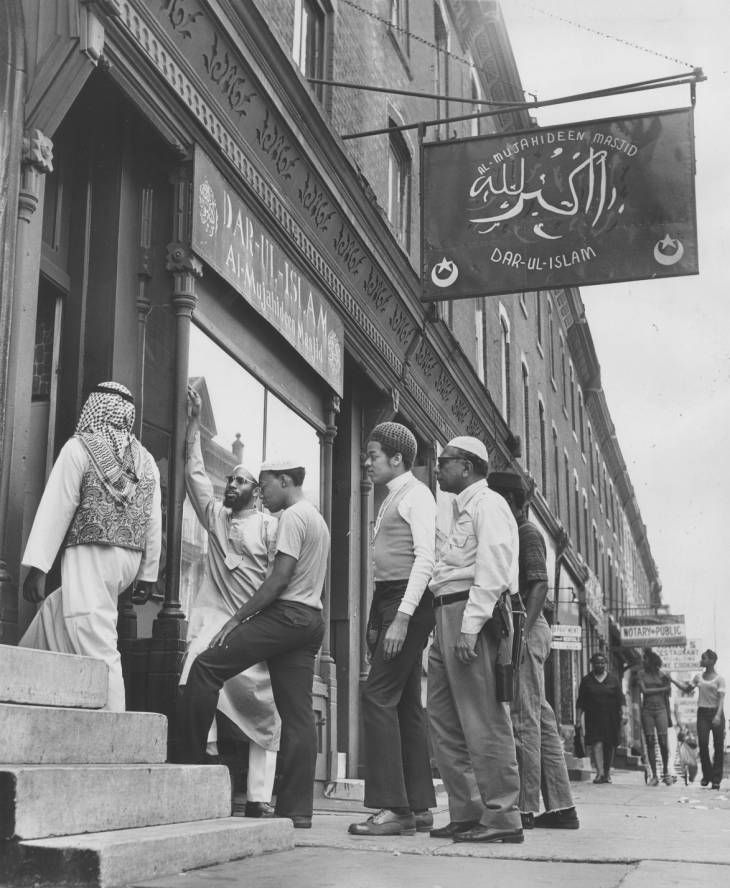
Yet, those of us who live and breathe the spirit of this city, and know the true history, know a different truth. Behind the façade of fitna and foolishness, and far from the noise of public discourse, Philadelphia stands as an epicenter of Islam in Black America, and arguably, one of the most significant hubs for the faith in the entire United States.
To understand the Muslim here is to understand a legacy of longevity. What the pioneers of Islam in Philadelphia set out to achieve in establishing Islam in this city, was achieved by the grace of Allah sub’haanahu wa ta’ala. We have reached a point where it is common to see families spanning four or five generations of faith.
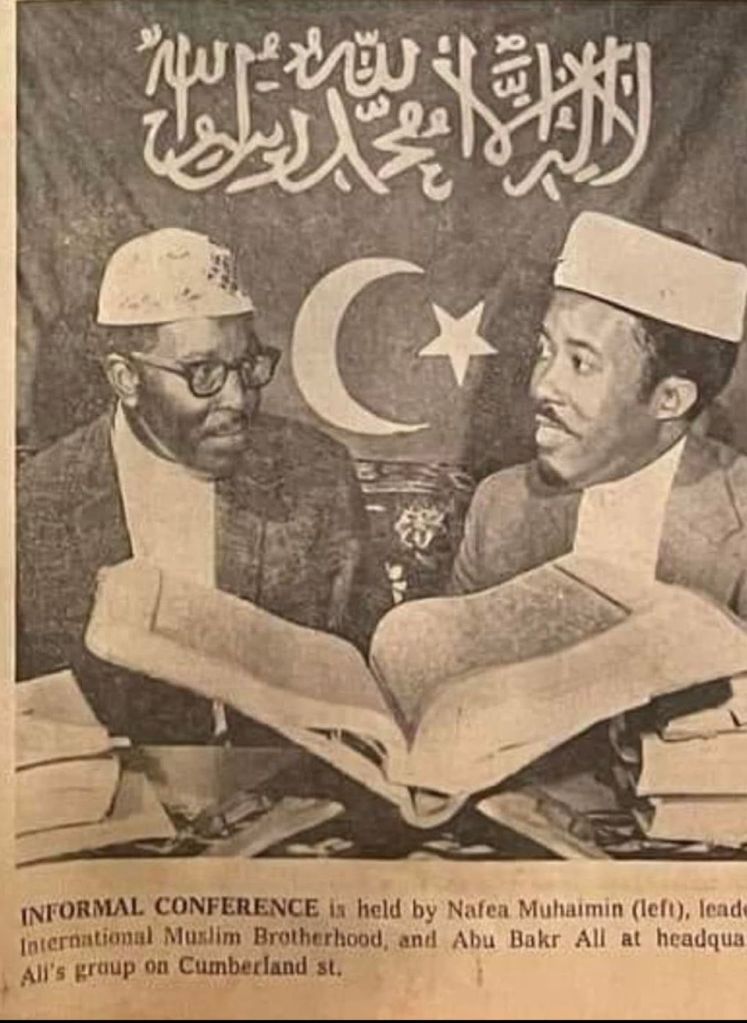
There are clans, groups, and associations in this city whose organizational history stretches back 40, 50, and even 60 years. This depth of history has cultivated a profound, living strain of brotherhood and sisterhood that flows through the very streets of Philadelphia.
The presence of the Muslim community is indelible. It has become so woven into the city’s identity that our influence often transcends our physical presence; the values of honesty, integrity, fairness, and ethical conduct associated with the Islamic way of life frequently shape behavior even in circles where there are no Muslims present.
However, we must be honest about our challenges. In recent times, we have seen an influx of new adherents who approach the faith with a sense of “fetishization”—a superficial attraction that misses the substance of the Islamic culture. These individuals have yet to grasp that Islam is not merely an identity or a trend, but a rigorous commitment to high character and righteous action. This transition period, particularly among the youth and new converts, presents a significant hurdle for the integrity of our local culture.
Yet, despite these growing pains, the trajectory of Islam in Philadelphia remains clear and resilient. When we look toward the future, we realize that the survival of the faith will not be determined by institutions or grand organizations. Instead, it will be carried on the shoulders of the family.
It is within the home and the botherhood/sisterhood that the culture of integrity is cultivated. It is at the kitchen table and through the transmission of values from elder to child that the true spirit of Islam is preserved. Institutions may rise and fall, but the family is the heartbeat of our community, and it is through the family that the legacy of Islam in Philadelphia will endure for generations to come. In sha Allah. Imam Abu Laith Luqman Ahmad
Shaykh Luqman Ahmad, born and raised in Philadelphia Pa, and son of American converts to Islam, is an American Muslim thinker, scholar, writer, educator, and community leader with more than four decades of service. A graduate of the Islamic University of Omdurman, with time spent at Umm al-Qura University, and in classes at the Haram in Mecca. Imam was first introduced to Islamic learning by his parents. He studied with numerous scholars, most notably the late “Sayyid Sabiq”, author of the book “Fiqh as-Sunnah”. For a list of his teachers, consult his blog at imamluqman.wordpress.com. He served as the Imam of Masjid Ibrahim Islamic Center in California for 20 years, guiding one of the region’s most diverse Muslim communities with a blend of classical Sunni scholarship and deep awareness of American social realities. Over the course of his career, he has also served as an Imam and or resident scholar at several masaajid across the country, including in Philadelphia, Toledo, Sacramento, and Folsom, California.
He is the author of several books, most notably The Devil’s Deception of the Modern-Day Salafi Sect, a widely discussed critique of contemporary Salafism, and Double Edged Slavery, an original work examining the mentality, history, and lived experience of Black Sunni Muslims in America. His writings, lectures, and community work continue to influence conversations on Islamic law, identity, leadership, and the future of American Muslim communities. Currently, he writes, conducts research, and serves as a guest khateeb at the Quba Institute in Philadelphia. He can be reached at: imamabulaith@yahoo.com


Leave a comment